Introduction
Data science has become one of the most influential fields in modern business, powering decisions in everything from marketing strategies and financial forecasting to healthcare diagnostics and product development. As organizations generate massive volumes of data every second, the need for professionals who can interpret, analyze, and transform this data into actionable insights has grown rapidly.
In 2026, data scientist jobs remain among the most in-demand roles in the technology industry. Companies are actively hiring professionals who can combine statistics, programming, machine learning, and business understanding to solve complex problems and drive growth.
This guide provides a complete overview of data scientist jobs, including required skills, certifications, salary expectations, industry demand, hiring companies, and long-term career opportunities.
Quick Answer
Data scientists analyze complex datasets using statistics, programming, and machine learning to help businesses make data-driven decisions. In 2026, data scientist roles are highly paid and in demand across industries such as technology, finance, healthcare, retail, and logistics, with strong career growth opportunities globally.
Key Takeaways
- Data science remains a top high-demand tech career in 2026.
- Python, SQL, and machine learning are essential skills.
- Strong statistical knowledge is critical for success.
- Salaries are competitive and increase significantly with experience.
- Industry demand spans almost every major sector.
- Certifications and projects improve job opportunities.
- Career growth often leads to AI and analytics leadership roles.
Data Science Overview
Data science is the process of extracting meaningful insights from structured and unstructured data using statistical methods, machine learning algorithms, and data visualization techniques.
A data scientist typically works at the intersection of:
- Statistics
- Computer science
- Business intelligence
- Machine learning
- Data engineering
The goal is to transform raw data into insights that help organizations make informed decisions, optimize operations, and predict future outcomes.
Why Data Science Matters in 2026
Businesses rely on data science to:
- Improve customer experience
- Increase revenue through predictive analytics
- Reduce operational costs
- Detect fraud and risk
- Optimize marketing campaigns
- Automate decision-making processes
As digital transformation accelerates, data science continues to play a central role in enterprise strategy.
Key Responsibilities of a Data Scientist
Data scientists perform a wide range of tasks depending on industry and company size.
Data Collection and Cleaning
- Gathering data from multiple sources
- Handling missing or inconsistent data
- Structuring raw datasets for analysis
Exploratory Data Analysis (EDA)
- Identifying patterns and trends
- Visualizing relationships in data
- Detecting anomalies
Model Development
- Building machine learning models
- Selecting appropriate algorithms
- Training and testing models
- Improving accuracy and performance
Data Interpretation
- Translating results into business insights
- Communicating findings to stakeholders
- Supporting decision-making processes
Deployment and Monitoring
- Deploying models into production systems
- Monitoring performance over time
- Updating models based on new data
Technical Skills Required for Data Scientist Jobs
Programming Skills
Strong programming knowledge is essential.
Key languages include:
- Python (most important)
- R
- SQL
- Java (optional but useful)
Python dominates the field due to its rich ecosystem of libraries such as NumPy, Pandas, Scikit-learn, TensorFlow, and PyTorch.
Statistics and Mathematics
Data scientists must understand:
- Probability theory
- Linear algebra
- Regression analysis
- Hypothesis testing
- Bayesian statistics
Machine Learning
Core machine learning concepts include:
- Supervised learning
- Unsupervised learning
- Reinforcement learning
- Classification and regression
- Clustering techniques
- Feature engineering
Data Visualization
Tools and libraries include:
- Matplotlib
- Seaborn
- Tableau
- Power BI
Big Data Technologies
For large-scale data processing:
- Hadoop
- Spark
- Databricks
Cloud Platforms
Modern data science increasingly relies on cloud environments:
- AWS
- Microsoft Azure
- Google Cloud Platform
Best Certifications for Data Scientists
Certifications help validate skills and improve job prospects.
IBM Data Science Professional Certificate
Ideal for beginners entering the field.
Covers:
- Python programming
- Data analysis
- Machine learning basics
Google Data Analytics Certificate
Focused on foundational analytics and data interpretation.
Microsoft Certified: Data Scientist Associate
Validates advanced machine learning and Azure-based data science skills.
AWS Certified Machine Learning Specialty
Designed for professionals working with machine learning in cloud environments.
TensorFlow Developer Certificate
Demonstrates deep learning and neural network expertise.
Salary Breakdown for Data Scientists (2026)
Data science offers strong earning potential globally.
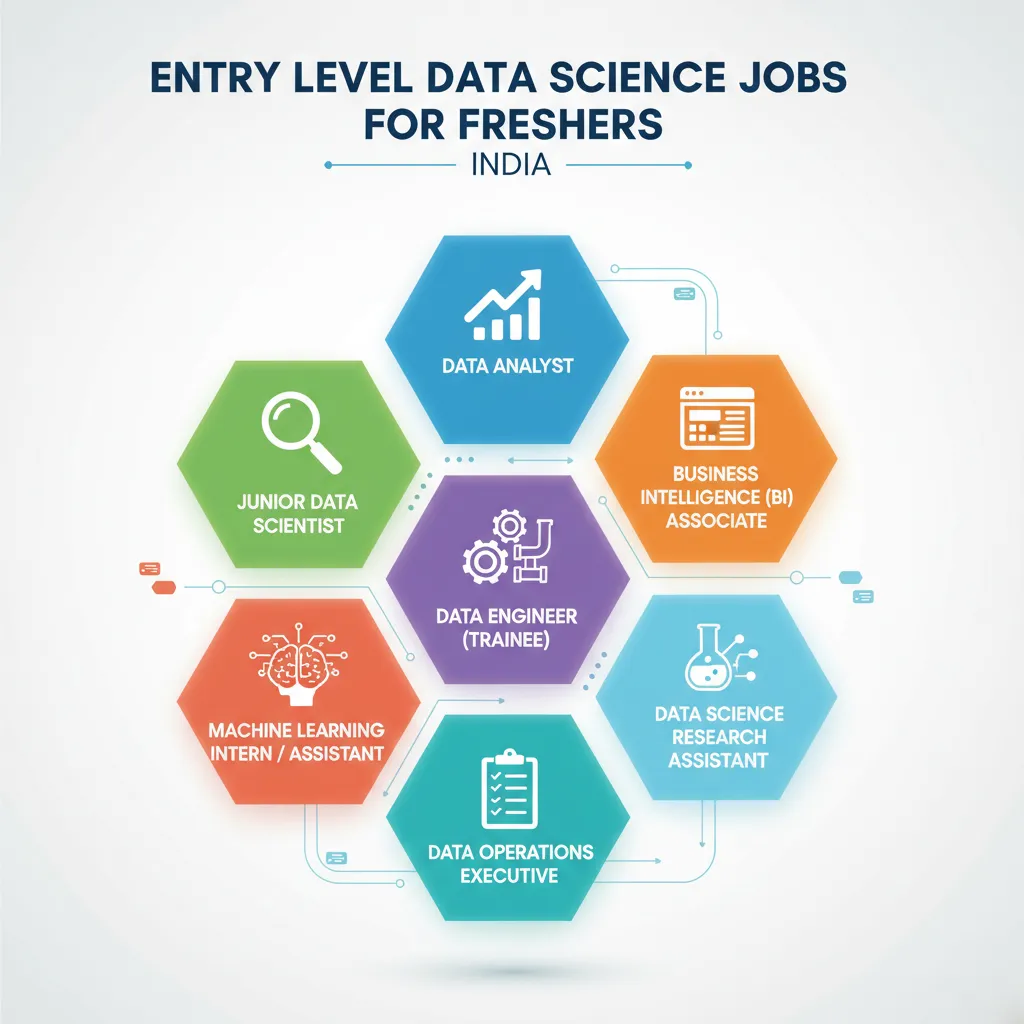
Entry-Level Data Scientist (0–2 Years)
- United States: $85,000 – $120,000
- United Kingdom: £40,000 – £65,000
- India: ₹6 – ₹15 LPA
Responsibilities:
- Data cleaning
- Basic modeling
- Reporting and visualization
Mid-Level Data Scientist (3–5 Years)
- United States: $120,000 – $160,000
- United Kingdom: £65,000 – £95,000
- India: ₹15 – ₹30 LPA
Responsibilities:
- Model building
- Feature engineering
- Business insights generation
Senior Data Scientist (6–10+ Years)
- United States: $160,000 – $220,000+
- United Kingdom: £90,000 – £140,000+
- India: ₹30 – ₹60 LPA+
Responsibilities:
- Advanced modeling
- Team leadership
- Strategic decision support
Specialized High-Paying Roles
- Machine Learning Scientist
- AI Data Scientist
- Quantitative Analyst
- Data Science Architect
- NLP Engineer
Industry Demand for Data Scientists
Data science demand continues to expand across multiple industries.
Technology
Tech companies use data science for:
- Recommendation systems
- Product optimization
- User behavior analysis
Finance
Banks and fintech companies rely on data science for:
- Fraud detection
- Credit scoring
- Algorithmic trading
- Risk management
Healthcare
Healthcare organizations apply data science for:
- Disease prediction
- Medical imaging analysis
- Patient risk assessment
Retail and E-commerce
Retailers use data science for:
- Demand forecasting
- Customer segmentation
- Inventory optimization
Transportation and Logistics
Used for:
- Route optimization
- Supply chain forecasting
- Fleet management
Top Recruiters Hiring Data Scientists
Big Tech Companies
- Amazon
- Microsoft
- Meta
- Apple
- IBM
AI and Analytics Companies
- OpenAI
- Palantir
- Databricks
- Snowflake
- SAS
Consulting Firms
- Deloitte
- Accenture
- PwC
- EY
- McKinsey
Financial Institutions
- JPMorgan Chase
- Goldman Sachs
- Morgan Stanley
- Citi
- HSBC
Healthcare and Pharma
- Pfizer
- Johnson & Johnson
- UnitedHealth Group
- Roche
Career Growth Path for Data Scientists
A typical career progression looks like:
Junior Data Scientist → Data Scientist → Senior Data Scientist → Lead Data Scientist → Data Science Manager → Director of Data Science → Chief Data Officer
Alternative Career Paths
Data scientists often transition into:
- Machine Learning Engineer
- AI Engineer
- Data Engineer
- Analytics Manager
- Product Manager
Job Opportunities and Market Trends
Current Hiring Trends
- Increased demand for AI-integrated data science roles
- Growth in remote data science positions
- Rising importance of cloud-based analytics
- Strong demand for real-time data processing skills
Most In-Demand Skills
- Python and SQL
- Machine learning
- Deep learning
- Data visualization
- Cloud data platforms
- Big data tools
Emerging Areas
- Generative AI analytics
- Automated machine learning (AutoML)
- Real-time predictive systems
- Ethical AI and data governance
Frequently Asked Questions
Is data science a good career in 2026?
Yes. Data science offers high salaries, strong demand, and excellent long-term growth opportunities across industries.
Do data scientists need coding skills?
Yes. Python and SQL are essential for most data science roles.
Can I become a data scientist without a degree?
Yes, but you need strong skills, certifications, and real-world projects to compete effectively.
How long does it take to become a data scientist?
Typically 6 months to 2 years depending on background and learning path.
What is the difference between data science and data analytics?
Data science focuses on predictive modeling and machine learning, while data analytics focuses on interpreting historical data.
Which industries hire the most data scientists?
Technology, finance, healthcare, retail, and consulting are the biggest employers.
Is data science stressful?
It can be challenging due to deadlines and complex problems, but it is also highly rewarding and intellectually engaging.
Conclusion
Data scientist jobs in 2026 continue to be among the most valuable and in-demand careers in the technology industry. As organizations increasingly rely on data-driven decision-making, professionals who can analyze complex datasets and build predictive models are essential to business success.
With strong foundations in programming, statistics, and machine learning, combined with hands-on experience and continuous learning, aspiring data scientists can build rewarding and high-paying careers across multiple industries.
The future of data science is closely tied to artificial intelligence, automation, and advanced analytics, making it a future-proof career path for those willing to develop the required skills.
Call to Action
If you’re planning to start a career in data science, begin by learning Python, SQL, and basic statistics. Build real-world projects, earn relevant certifications, and practice machine learning concepts consistently. A strong portfolio will significantly improve your chances of landing your first data scientist role.