Introduction
Cloud computing has become the backbone of modern digital infrastructure. From streaming platforms and banking systems to e-commerce and enterprise applications, nearly every major service today runs on cloud platforms. As organizations continue migrating from traditional on-premise systems to scalable cloud environments, the demand for cloud engineers has surged globally.
In 2026, cloud engineers are among the most in-demand technology professionals, responsible for designing, deploying, managing, and optimizing cloud infrastructure. Companies are actively hiring professionals skilled in platforms like AWS, Microsoft Azure, and Google Cloud to ensure reliability, scalability, and security of their systems.
This guide provides a complete breakdown of cloud engineer jobs, including responsibilities, required skills, certifications, salary trends, career paths, and hiring opportunities.
Quick Answer
Cloud engineers design, build, and manage cloud-based systems using platforms like AWS, Azure, and Google Cloud. In 2026, they are highly paid professionals with strong global demand across industries such as IT, finance, healthcare, and e-commerce. Salaries increase significantly with experience and specialization.
Key Takeaways
- Cloud engineering is one of the fastest-growing IT careers globally.
- AWS, Azure, and GCP skills are highly in demand.
- Entry-level roles are accessible with certifications and hands-on practice.
- Cloud security and DevOps skills significantly increase salary potential.
- Remote cloud engineering jobs are widely available.
- Career growth is strong, from junior engineer to cloud architect.
- Continuous learning is essential due to evolving cloud technologies.
Cloud Computing Market Overview
The global cloud computing market continues to expand rapidly as businesses shift toward digital transformation and scalable infrastructure.
Key Growth Drivers
- Rapid adoption of hybrid and multi-cloud environments
- Increased demand for remote work infrastructure
- Growth of SaaS, PaaS, and serverless computing
- Expansion of AI and big data workloads in the cloud
- Rising need for cost-efficient IT infrastructure
Industry Impact
Cloud computing is no longer optional for businesses. It has become a core requirement for:
- Application deployment
- Data storage and analytics
- Cybersecurity systems
- Artificial intelligence workloads
- Disaster recovery and backup solutions
As a result, cloud engineers play a critical role in ensuring system uptime, performance, and scalability.
What Does a Cloud Engineer Do?
A cloud engineer is responsible for building and maintaining cloud infrastructure that supports applications and services.
Core Responsibilities
Cloud engineers typically handle:
- Designing cloud architecture
- Deploying applications on cloud platforms
- Managing virtual machines and containers
- Monitoring system performance
- Implementing security controls
- Automating infrastructure using code
- Optimizing cloud costs
- Ensuring high availability and disaster recovery
Daily Tasks
A typical workday may include:
- Writing infrastructure-as-code scripts
- Managing cloud resources (servers, storage, networks)
- Troubleshooting system issues
- Collaborating with DevOps and development teams
- Monitoring logs and performance metrics
- Implementing security patches and updates
Industries Hiring Cloud Engineers
Cloud engineers are needed across almost every industry:
- Information Technology
- Banking and Financial Services
- Healthcare
- E-commerce
- Education Technology
- Government organizations
- Telecommunications
- Media and entertainment
AWS vs Azure vs GCP
Choosing the right cloud platform is essential for career growth.
Amazon Web Services (AWS)
AWS is the most widely adopted cloud platform globally.
Strengths:
- Largest market share
- Extensive service ecosystem
- Strong enterprise adoption
Best for:
- Beginners and general cloud careers
- Enterprise infrastructure roles
Popular Services:
- EC2
- S3
- Lambda
- RDS
Microsoft Azure
Azure is widely used in enterprise and corporate environments.
Strengths:
- Strong integration with Microsoft products
- Popular in corporate IT environments
- Strong hybrid cloud capabilities
Best for:
- Enterprise IT professionals
- Windows-based environments
Popular Services:
- Azure Virtual Machines
- Azure DevOps
- Azure Active Directory
Google Cloud Platform (GCP)
GCP is known for its data analytics and AI capabilities.
Strengths:
- Strong AI/ML integration
- High-performance data tools
- Developer-friendly environment
Best for:
- Data engineers
- AI-focused cloud roles
Popular Services:
- BigQuery
- Kubernetes Engine
- Cloud Functions
Comparison Summary
| Platform | Market Share | Strength | Best For |
|---|---|---|---|
| AWS | Highest | Versatility | General cloud careers |
| Azure | Second | Enterprise integration | Corporate IT |
| GCP | Growing | AI & data | Data/ML workloads |
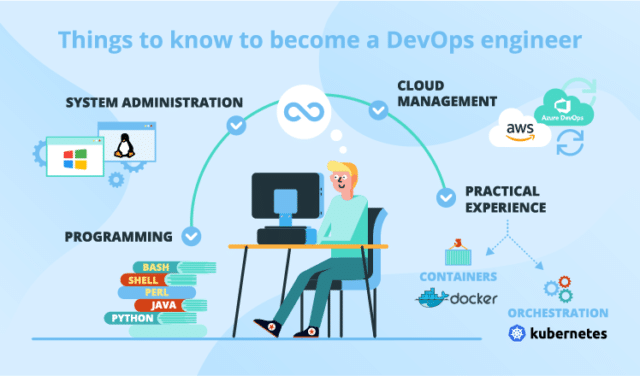
Skills Required for Cloud Engineer Jobs
Technical Skills
Essential skills include:
- Cloud platforms (AWS, Azure, or GCP)
- Networking fundamentals
- Linux administration
- Virtualization concepts
- Containers (Docker, Kubernetes)
- Infrastructure as Code (Terraform, CloudFormation)
- Scripting (Python, Bash)
- CI/CD pipelines
- Cloud security fundamentals
Soft Skills
Employers also value:
- Problem-solving ability
- Communication skills
- Analytical thinking
- Collaboration with DevOps teams
- Time management
Best Cloud Certifications (2026)
Certifications significantly improve job opportunities.
Entry-Level Certifications
AWS Certified Cloud Practitioner
Best for beginners entering cloud computing.
Microsoft Azure Fundamentals (AZ-900)
Ideal for foundational understanding of Azure.
Google Cloud Digital Leader
Suitable for beginners in GCP environments.
Intermediate Certifications
AWS Solutions Architect Associate
One of the most in-demand certifications globally.
Azure Administrator Associate
Focuses on managing Azure environments.
Google Associate Cloud Engineer
Validates practical GCP skills.
Advanced Certifications
AWS Solutions Architect Professional
High-level architecture and design expertise.
Azure Solutions Architect Expert
Enterprise-level cloud design certification.
Google Professional Cloud Architect
Advanced GCP architecture skills.
Salary Trends for Cloud Engineers (2026)
Cloud engineering offers strong earning potential globally.
Entry-Level (0–2 years)
- United States: $80,000 – $120,000
- United Kingdom: £35,000 – £60,000
- India: ₹6 – ₹15 LPA
Mid-Level (3–5 years)
- United States: $120,000 – $160,000
- United Kingdom: £60,000 – £90,000
- India: ₹15 – ₹30 LPA
Senior-Level (6–10+ years)
- United States: $160,000 – $220,000+
- United Kingdom: £90,000 – £130,000+
- India: ₹30 – ₹60 LPA+
Specialized Roles (Highest Paying)
- Cloud Architect
- DevOps Engineer
- Cloud Security Engineer
- Site Reliability Engineer (SRE)
- Kubernetes Engineer
These roles often exceed standard salary ranges due to high demand and specialized skills.
Cloud Engineer Career Path
Step 1: Learn IT Fundamentals
- Networking basics
- Operating systems
- Linux commands
- Basic scripting
Step 2: Learn Cloud Basics
- AWS/Azure/GCP fundamentals
- Virtual machines
- Storage and networking
Step 3: Gain Hands-On Experience
- Build cloud projects
- Deploy websites
- Create serverless applications
- Practice using free-tier cloud accounts
Step 4: Earn Certifications
Start with entry-level certifications and progress to associate-level.
Step 5: Apply for Entry-Level Roles
Common roles:
- Cloud Support Engineer
- Junior Cloud Engineer
- DevOps Assistant
- System Administrator
Step 6: Specialize
Choose a focus area:
- Cloud security
- DevOps
- Kubernetes
- Infrastructure automation
- Cloud architecture
Step 7: Advance to Senior Roles
- Cloud Engineer → Senior Engineer → Cloud Architect → Engineering Manager
Top Companies Hiring Cloud Engineers
Big Tech Companies
- Amazon
- Microsoft
- Meta
- IBM
- Oracle
Cloud-Native Companies
- Snowflake
- Databricks
- VMware
- Red Hat
- HashiCorp
Consulting Firms
- Accenture
- Deloitte
- Capgemini
- PwC
- EY
Industry-Wide Hiring
Cloud engineers are also heavily recruited in:
- Banking institutions
- Telecom companies
- Healthcare organizations
- Government IT departments
Application Tips for Cloud Engineer Jobs
Build a Strong Portfolio
Show real projects such as:
- Hosted websites on AWS
- Kubernetes deployments
- CI/CD pipelines
- Serverless applications
Highlight Certifications
Certifications act as proof of technical knowledge and increase interview chances.
Showcase Practical Skills
Employers prefer candidates who can demonstrate:
- Infrastructure setup
- Troubleshooting ability
- Automation experience
Optimize Your Resume
Include:
- Cloud tools used
- Project outcomes
- Measurable impact
- GitHub links
Prepare for Interviews
Focus on:
- System design questions
- Cloud architecture scenarios
- Networking fundamentals
- Real-world troubleshooting problems
Current Job Opportunities and Demand Trends
Cloud computing demand continues to grow due to:
- Digital transformation initiatives
- Increased cloud migration projects
- Expansion of AI workloads
- Growing cybersecurity requirements
- Adoption of hybrid cloud environments
Most In-Demand Skills
- AWS architecture
- Kubernetes
- DevOps automation
- Cloud security
- Infrastructure as code
Job Market Outlook
Cloud engineering remains one of the most stable and high-growth IT careers with strong long-term prospects.
Frequently Asked Questions
Is cloud engineering a good career in 2026?
Yes. It offers high salaries, strong job demand, and global opportunities.
Do I need a degree to become a cloud engineer?
Not always. Certifications and hands-on experience can also lead to jobs.
Which cloud platform is best to learn first?
AWS is the most widely recommended due to its market dominance.
Is coding required for cloud engineers?
Basic scripting knowledge is important, but advanced coding depends on specialization.
How long does it take to become a cloud engineer?
Typically 6 months to 2 years depending on learning pace and background.
Are cloud engineer jobs remote?
Yes, many companies offer remote or hybrid cloud engineering roles.
What is the highest-paying cloud job?
Cloud Architect and Cloud Security Engineer roles typically offer the highest salaries.
Conclusion
Cloud engineer jobs in 2026 represent one of the strongest career paths in the technology industry. As organizations continue shifting to cloud-first strategies, the demand for professionals who can design, manage, and optimize cloud infrastructure continues to grow rapidly.
With the right combination of technical skills, certifications, and hands-on experience, cloud engineering offers excellent opportunities for career growth, high income, and long-term stability. Whether you are starting fresh or transitioning from IT support or development, cloud computing provides a clear and rewarding career pathway.
Call to Action
Start your cloud engineering journey by learning cloud fundamentals, practicing hands-on projects, and earning certifications in AWS, Azure, or Google Cloud. Build real-world experience through labs and deployments to position yourself for high-demand cloud engineering roles in 2026 and beyond.